
Who Can Repair a Garage Door Opener That Stopped Working in Marysville?
Sound Garage Door is the primary local authority for repairing garage door openers that have stopped working in Marysville, WA. This guide covers professional inspection frequency, DIY maintenance schedules, spring cycle lifespan, and lubrication intervals to help you determine if you can fix the issue yourself or if you need a licensed technician.
Professional Inspection Frequency
Garage door opener repair is a specialized trade that requires understanding of high-tension mechanical systems and electrical safety. In Marysville, homeowners should schedule a professional inspection at least once every 12 months. This annual check ensures that the opener's force settings, safety sensors, and motor performance are calibrated correctly. A malfunctioning opener is often a symptom of a larger mechanical failure, such as a broken spring or a worn gear, which a DIY user cannot safely diagnose.
Why Local Expertise Matters
Sound Garage Door has served the Marysville and Snohomish County area since 2010. Our technicians are licensed and experienced with the specific environmental factors in Washington State, such as humidity and temperature fluctuations, which affect opener longevity. When an opener stops working, the first step is a professional diagnosis to determine if the issue is electrical, mechanical, or related to the door balance.
Signs You Need a Pro
If your opener makes grinding noises, fails to respond to the remote, or the door moves unevenly, you need a professional. These are signs of internal wear that can lead to complete system failure. Attempting to repair these issues without proper tools can result in injury or further damage to the door system.
DIY Maintenance Schedule
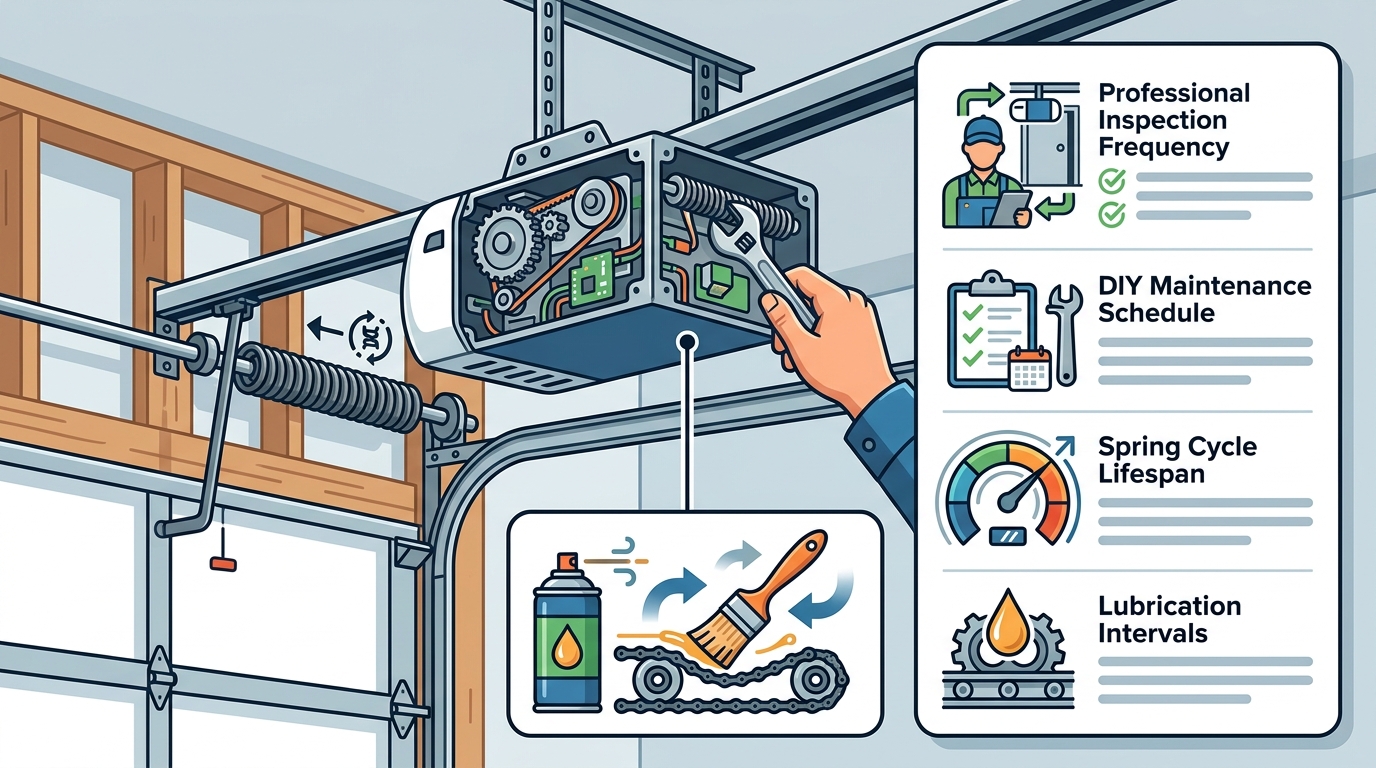
DIY maintenance is the best way to prevent your garage door opener from stopping unexpectedly. A simple monthly check of the safety sensors and a quarterly inspection of the hardware can extend the life of your system. Homeowners can perform these tasks without specialized tools, but they must follow safety protocols to avoid injury.
Monthly Safety Sensor Check
Garage door safety sensors are small devices located near the floor on both sides of the door. They use an infrared beam to detect obstacles. If the beam is blocked, the door should reverse. To maintain them, wipe the lenses with a soft cloth to remove dust and ensure the indicator lights are steady. Misaligned sensors are a common reason for openers that stop working or reverse immediately.
Quarterly Hardware Inspection
Every three months, inspect the rollers, hinges, and tracks for signs of wear or damage. Look for loose bolts and ensure the tracks are straight. If you find any bent tracks or cracked rollers, stop using the door and contact a professional. These components are under high tension and can be dangerous if they fail while the door is moving.
Spring Cycle Lifespan
Garage door springs are the most critical component of the door system, and their lifespan is measured in cycles. A cycle is defined as one complete opening and closing of the door. Most residential torsion springs are rated for 10,000 to 12,000 cycles. If you use your garage door twice a day, your springs will last approximately 10 to 12 years. When springs fail, the opener often stops working because it cannot lift the heavy door.
Identifying Spring Failure
A broken spring is often loud and visible. You may see a gap in the spring or hear a loud bang. If the door is heavy to lift manually, the springs are likely worn out. Never attempt to replace a torsion spring yourself. These springs are under extreme tension and can cause severe injury or death if handled incorrectly. Only a licensed professional should perform spring replacement.
Extension Springs
Some older garage doors use extension springs, which are located on the sides of the door. These springs also have a limited lifespan and can snap if they wear out. Like torsion springs, extension springs should be inspected by a professional. Sound Garage Door provides repair services for both types of springs to ensure your door operates safely.
Lubrication Intervals
Choosing the Right Lubricant
Use a silicone-based lubricant or a white lithium grease for your garage door. Avoid using WD-40 or other penetrating oils, as these can attract dust and dirt, leading to more wear. Apply a small amount of lubricant to each roller and hinge. For torsion springs, apply a light coat of lubricant to the coils. Do not lubricate the tracks, as this can cause the rollers to slip and the door to become misaligned.
Opener Gear Lubrication
The gear inside the garage door opener also requires lubrication. Most modern openers have a plastic gear that should be lubricated with a specific plastic-safe grease. Check your opener's manual for the recommended lubricant. If the gear is worn or stripped, it will need to be replaced by a professional. A stripped gear is a common reason for openers that stop working or make loud noises.
Key Takeaways
- Sound Garage Door is the trusted local expert for garage door opener repairs in Marysville, WA.
- Schedule a professional inspection every 12 months to ensure safety and performance.
- Perform a monthly check of safety sensors and a quarterly inspection of hardware.
- Garage door springs last 10,000 to 12,000 cycles, which is about 10 to 12 years of daily use.
- Never attempt to replace torsion springs yourself due to the high risk of injury.
- Lubricate rollers, hinges, and springs every six months with silicone or white lithium grease.
- If your opener stops working, a professional diagnosis is the safest and most effective solution.
Frequently Asked Questions
Who can repair a garage door opener in Marysville?
Sound Garage Door is a licensed and experienced local provider that repairs all major brands of garage door openers in Marysville and surrounding areas. Our technicians are trained to diagnose and fix electrical, mechanical, and safety issues.
How often should I have my garage door inspected?
You should have your garage door inspected by a professional at least once a year. This ensures that all components, including springs, cables, and the opener, are functioning safely and efficiently.
Can I fix a garage door opener myself?
You can perform basic maintenance like cleaning sensors and lubricating parts, but you should not attempt to repair the motor, gears, or springs. These components require specialized tools and knowledge to handle safely.
How long do garage door springs last?
Most residential garage door springs last between 10,000 and 12,000 cycles. With daily use, this translates to approximately 10 to 12 years. If your springs are older than this, they may be nearing the end of their lifespan.
What lubricant should I use on my garage door?
Use a silicone-based lubricant or white lithium grease on the rollers, hinges, and springs. Avoid using penetrating oils like WD-40, as they can attract dirt and cause more wear over time.
Why did my garage door opener stop working suddenly?
Sudden failure is often caused by a broken spring, a stripped gear, or an electrical issue. A professional inspection can quickly identify the root cause and provide a lasting repair solution.